


Imagine this: You’ve just completed a film development session in your home darkroom. Your negatives are drying, and you’re filled with creative satisfaction. But as you glance at the containers of used chemicals, a question arises: how do you safely and responsibly get these chemicals from your home to a disposal site? Pouring them down the drain isn’t an option, and storing them indefinitely isn’t safe.
Below is a beginner-friendly, step-by-step walkthrough on how to properly label, dilute (if necessary), and bring your spent solutions to the right disposal facility.
Step 1: Understand What You’re Disposing
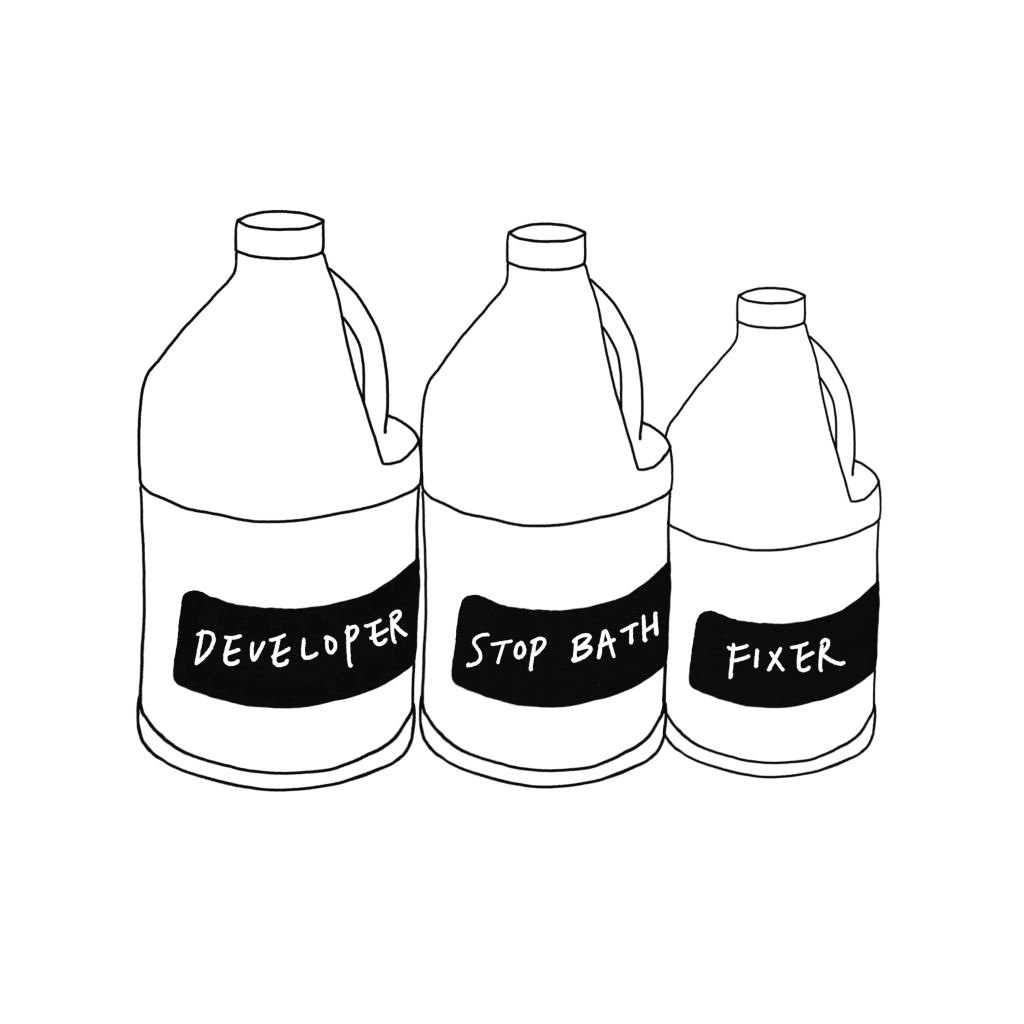
Darkroom chemistry involves several types of solutions, but the three most common are:
- Developer: Not considered hazardous, but still shouldn’t be poured down the drain without checking local regulations.
- Stop Bath: Typically a weak acid (acetic or citric); may be neutralized, but caution is advised.
- Fixer: The most critical to dispose of properly—contains silver ions and is considered hazardous waste.
And some chemicals that will be used in black-and-white film developing:
- Fixer Remover: While not hazardous in the same way as fixer, this is a chemical solution and should still be disposed of cautiously. Many municipalities recommend disposing of it with other photographic waste, especially if it’s been used in combination with fixer.
- Photo-Flo: Used in small amounts and diluted with water, Photo-Flo is generally considered low in toxicity. However, some users prefer to err on the side of caution and include it in their chemical waste disposal, especially in areas with stricter water regulations.
If you’re unsure what category your chemical falls into, refer to the product’s Safety Data Sheet.
Step 2: Label Everything Clearly
Once you’ve finished using a chemical, don’t just leave it in an unlabeled container. Use a permanent marker or waterproof label to note:
- Name of the chemical
- Type (used or unused)
- Date it was collected
- Your name/contact if required by the disposal site
Pro tip: Use separate, dedicated containers for used chemicals to avoid cross-contamination. Do not combine spent developer and fixer. When gathering your supplies, please make sure you wearing safety gear (gloves, googles, and a mask) and using chemical-resistant, leak-proof containers with secure lids.


Step 3: Store Temporarily, But Safely
Until you’re ready to drop them off:
- Keep chemicals in sealed plastic or glass containers—preferably the ones they came in, reused, and clearly marked.
- Store in a cool, dry place, away from children, pets, or heat sources.
- Make sure containers are upright and leak-proof during storage and transport.
Step 4: Find a Disposal Facility Near You
Use our Interactive Disposal Map to locate a verified facility near you that accepts hazardous household waste, including darkroom chemicals.

You can also:
- Search for your county’s Household Hazardous Waste (HHW) program
- Contact local photography studios or schools to ask where they dispose of their chemicals
- Reach out to environmental services through your local city or town hall
Step 5: Transport Safely and Mindfully
When you’re ready to drop off:
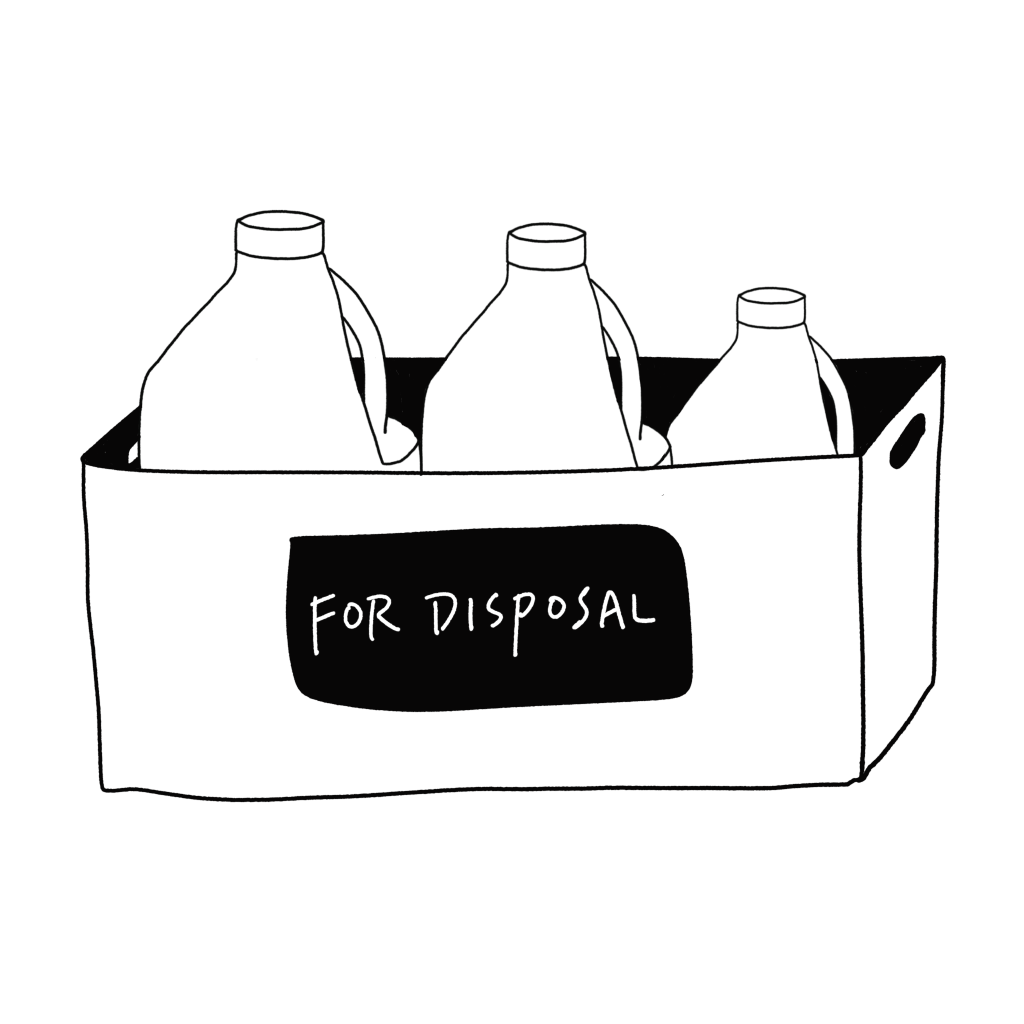
- Double-check that your containers are sealed and labeled.
- Place them in a box or crate to prevent spills in your car. Please note that it is illegal to transport more than 15 gallons/125 pounds of HHW per vehicle (LA Sanitation).
If possible, bring gloves and cleaning materials in case of a spill during the trip. Avoid storing chemicals in your vehicle for extended periods, especially in extreme temperatures! If you’re unsure about protocols, call ahead. Most HHW sites are more than happy to explain the process—after all, you’re doing the right thing.
Step 6: At the Disposal Site
- Follow all facility instructions and ask staff if you’re unsure.
- Some sites may ask you to fill out a form detailing the chemicals you’re disposing of.
Proper darkroom chemical disposal is more than a safety measure—it’s a commitment to protecting both your home and the environment. While it may require extra care, it’s a meaningful part of making analog photography more sustainable and intentional. Every roll you develop responsibly contributes to a cleaner, more conscious future for the practice.
By preparing your containers, labeling them clearly, and transporting them securely, you’re taking an important step toward safer disposal—and setting a standard others can follow.
Need help locating your local drop-off center? Check our map or send us a message—we’re here to help!